
You drink it every morning. Maybe twice. But have you ever stopped to wonder what coffee actually is before it hits your mug? Is it a bean? A fruit? A seed that someone roasted on purpose?
You’re not the only one who isn’t sure. Coffee goes through one of the longest, most hands-on journeys of any drink you’ll ever make, and most of that journey happens long before the bag ever reaches your kitchen counter.
In this guide, we’ll walk through the whole story: the plant coffee comes from, how a coffee cherry grows and ripens, what happens during processing and roasting, and how all of that ends up as the cup in your hand. By the end, you’ll understand exactly what you’re drinking, and you’ll probably taste your next cup a little differently.
- What Is Coffee, Exactly?
- Where Coffee Comes From: The Coffea Plant
- From Flower to Fruit: How a Coffee Cherry Forms
- Harvesting Coffee Cherries
- Processing: Turning Cherries Into Green Coffee
- Roasting: Where Flavor Really Develops
- Grinding: Why Grind Size Matters
- Brewing: Turning Grounds Into a Cup
- What's Actually in Your Cup?
- A Quick Look at Coffee's History
- Why This Journey Matters for the Coffee You Drink
- Frequently Asked Questions
- The Bottom Line
What Is Coffee, Exactly?
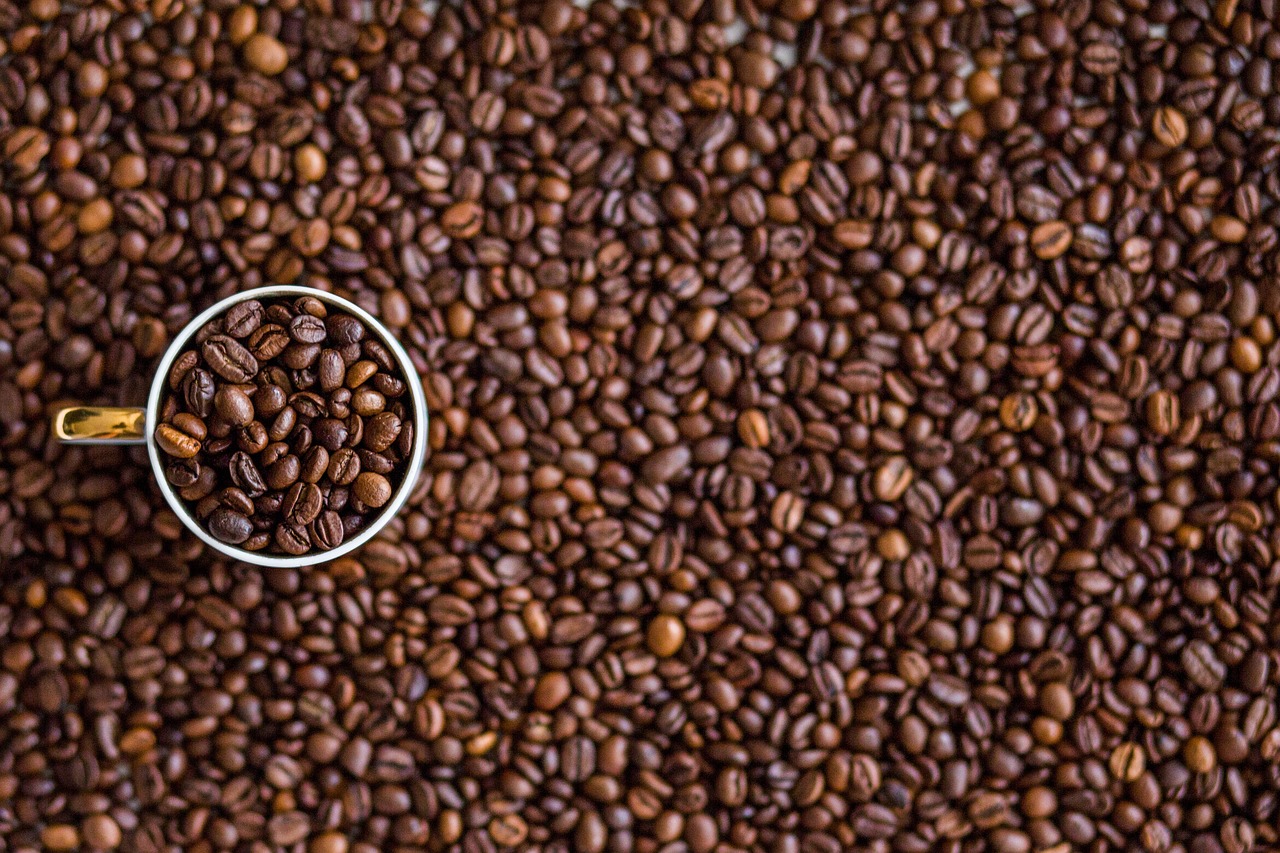
Coffee is a brewed drink made from the roasted seeds of the Coffea plant. Those seeds grow inside a small fruit called a coffee cherry, and what we casually call a “coffee bean” is really just that seed, dried and roasted.
So coffee starts life as agriculture, not as a product. It’s a fruit crop first. Everything else, the grinding, the brewing, the latte art, comes after a plant did most of the work.
Where Coffee Comes From: The Coffea Plant
Meet the Coffea Genus
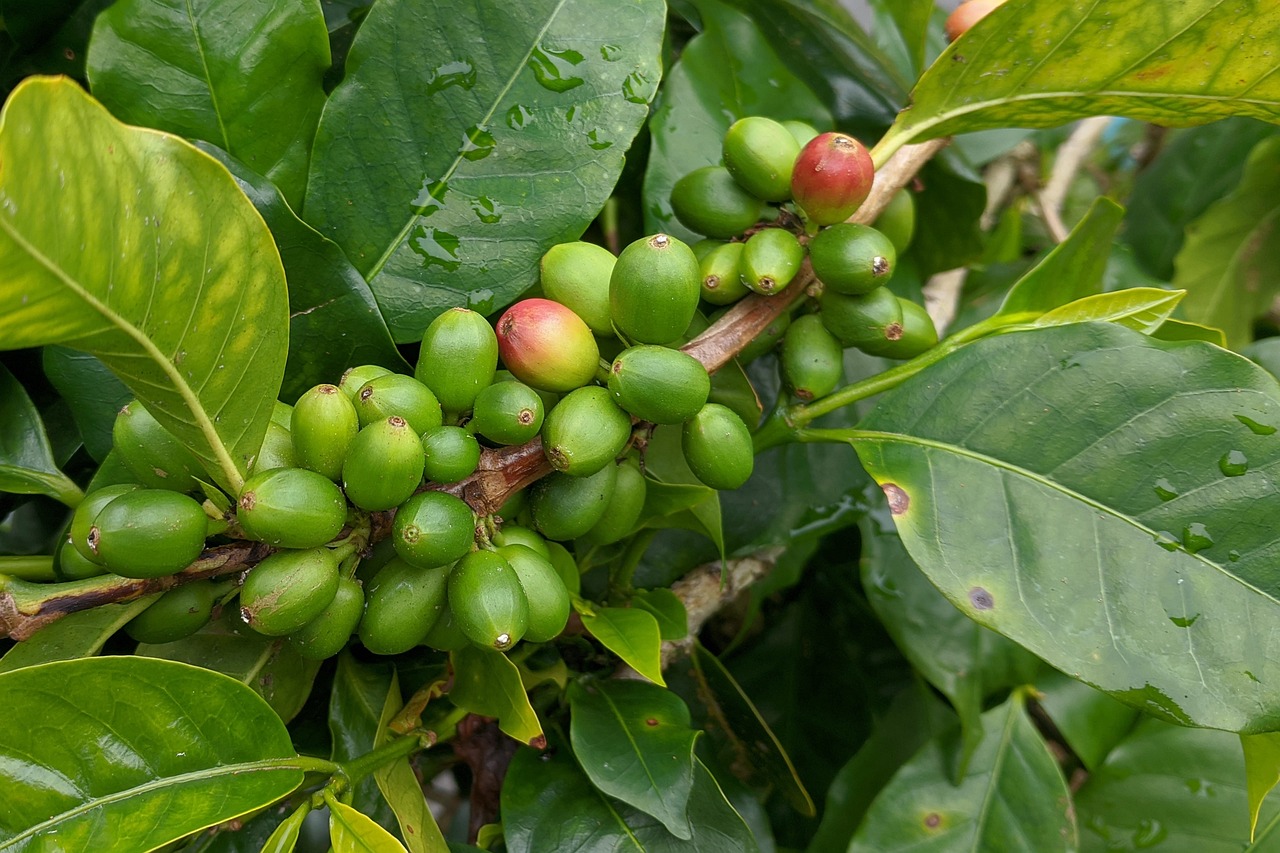
Coffee comes from the Coffea genus, a group of flowering evergreen shrubs and small trees. There are dozens of known species in the genus, but only two show up in your cup on a regular basis: Arabica and Robusta.
Arabica vs. Robusta: The Two Beans That Matter
Here’s the split you’ll actually run into as a coffee drinker:
- Arabica (Coffea arabica): Grows at higher elevations, matures slowly, and is prized for its smoother, more nuanced flavor. Arabica accounts for roughly 60% of global coffee production.
- Robusta (Coffea canephora): Hardier, easier to grow, and higher in caffeine. It makes up most of the remaining share of world production and is common in espresso blends and instant coffee.
Neither one is “better” across the board. Arabica tends to win on flavor complexity, while Robusta brings a bolder, more bitter kick and holds up better in tougher growing conditions. Which one belongs in your cup really depends on what you’re brewing and what you like to taste.
Where Coffee Plants Grow
Coffee needs warmth, altitude, and rainfall, which is why it’s grown almost entirely within a band around the equator sometimes called the “coffee belt,” stretching roughly between the Tropics of Cancer and Capricorn. Today, coffee is cultivated in more than 70 countries, concentrated in Africa, Central and South America, and Southeast Asia.
From Flower to Fruit: How a Coffee Cherry Forms
The Coffee Blossom
Before there’s any fruit, there’s a flower. Coffee plants produce small, white, jasmine-scented blossoms. Each one blooms for only a couple of days, but if it’s pollinated successfully, it eventually becomes a coffee cherry.
Inside a Coffee Cherry
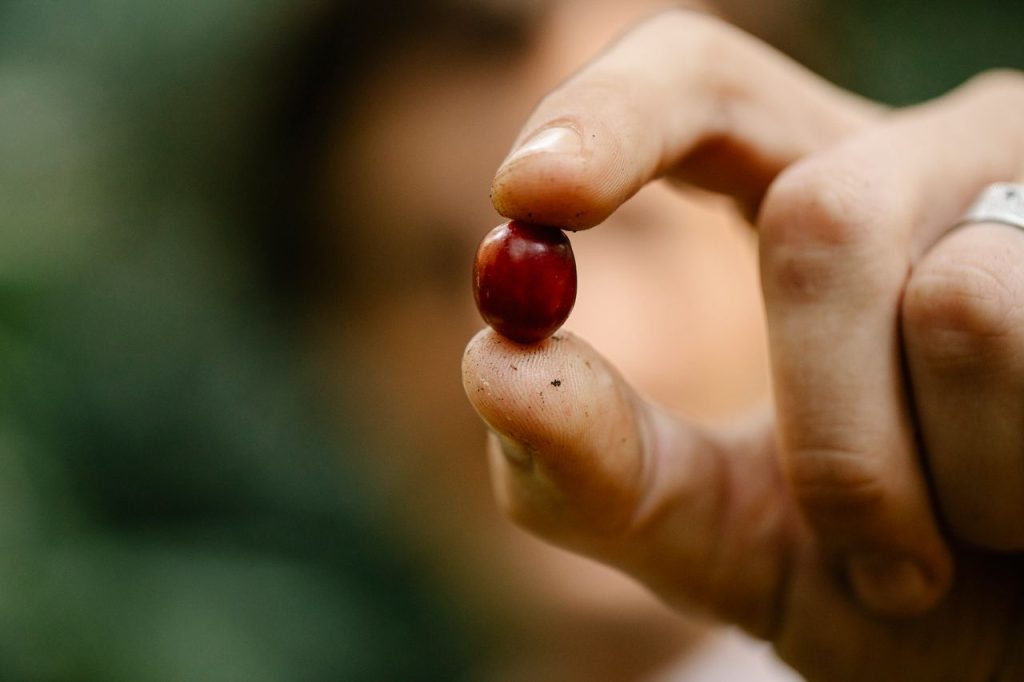
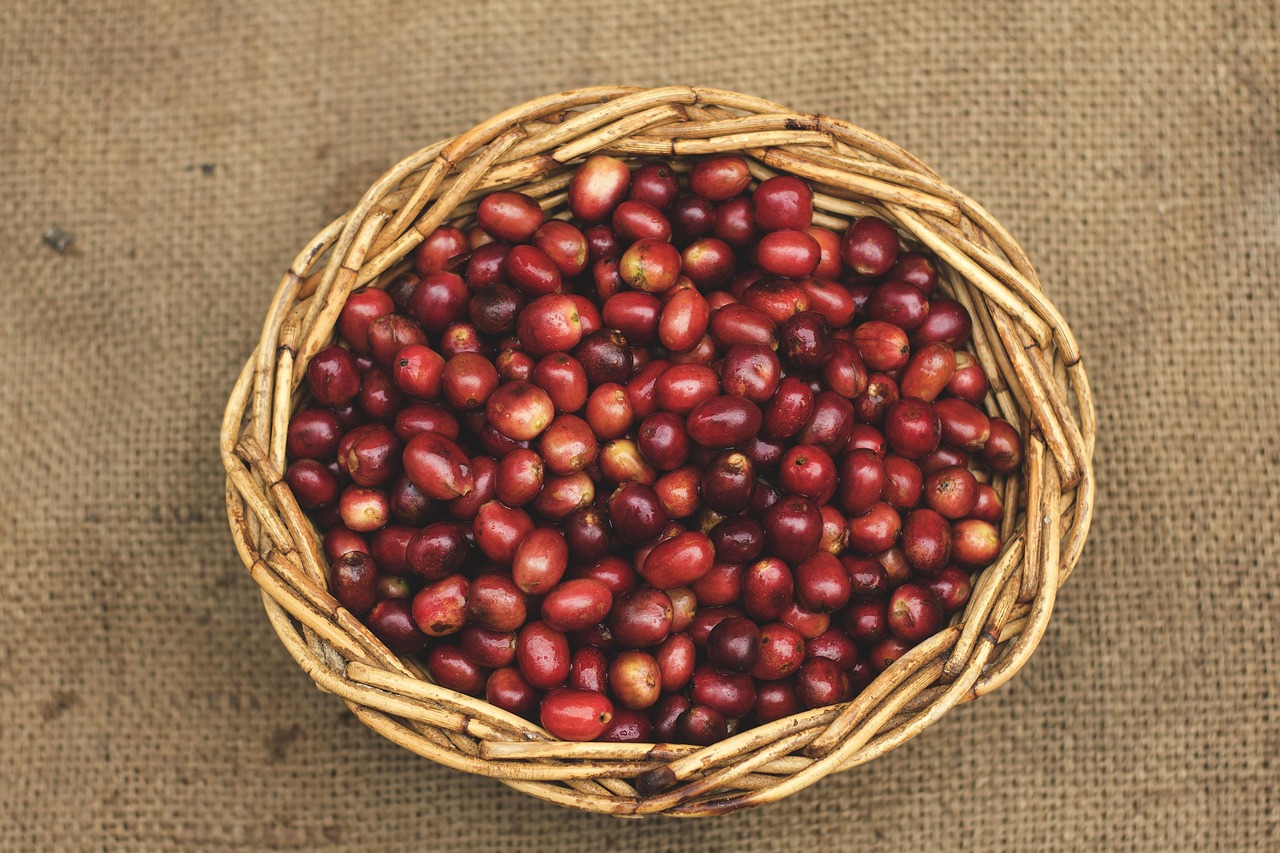
A ripe coffee cherry looks a lot like a small cranberry, and it’s built in layers:
- Skin – the outer covering, which turns red (or sometimes yellow, orange, or even purple) as it ripens
- Pulp – the sweet, fruity flesh underneath
- Mucilage – a sticky layer that clings to the seed
- Parchment – a papery shell protecting the seed
- Seed(s) – usually two, and this is what eventually becomes your coffee bean
That’s the part worth remembering: what you call a coffee bean is a seed from a piece of fruit, not a bean in the botanical sense at all.
Harvesting Coffee Cherries
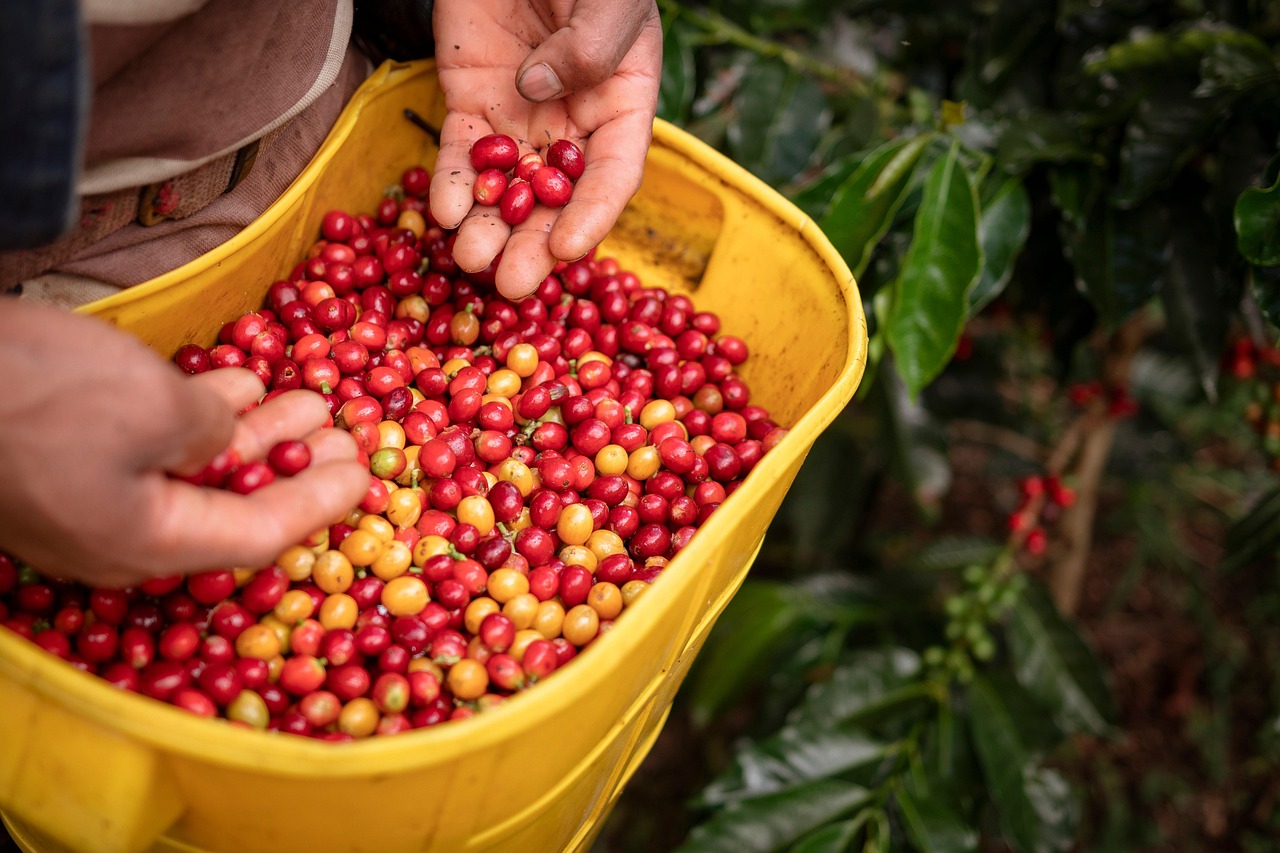
Cherries don’t all ripen at once, even on the same branch, so harvesting takes real judgment. Farmers use one of two main approaches:
- Hand-picking, where workers select only the ripe, red cherries, often over multiple passes through the same trees
- Strip picking, where all the cherries on a branch are stripped off at once, ripe or not, usually with mechanical help
Hand-picking is slower and more expensive, but it tends to produce a more consistent, higher-quality cup, since only ripe cherries make the cut. It typically takes a coffee plant three to four years after planting before it produces its first harvestable crop.
Processing: Turning Cherries Into Green Coffee
Once cherries are picked, the fruit has to come off before the seed can be dried, stored, and eventually roasted. How that happens is called processing, and it has a bigger effect on final flavor than most people expect.
Washed (Wet) Process
The skin and pulp are removed mechanically, then the seeds ferment briefly in water to strip away the sticky mucilage before drying. This method tends to produce a cleaner, brighter, more acidic cup that shows off the bean’s natural characteristics.
Natural (Dry) Process
The whole cherry is dried in the sun, fruit and all, before the dried skin and pulp are removed. Because the seed sits inside the fruit longer, natural process coffees often turn out fruitier, heavier, and sweeter.
Honey Process
A middle ground: the skin is removed, but some or all of the sticky mucilage is left on the seed during drying. Depending on how much mucilage stays, the result lands somewhere between washed and natural in body and sweetness.
There’s no single “correct” method here. It’s a trade-off between clarity and complexity, and different origins tend to favor whichever process suits their climate and their target flavor.
Roasting: Where Flavor Really Develops
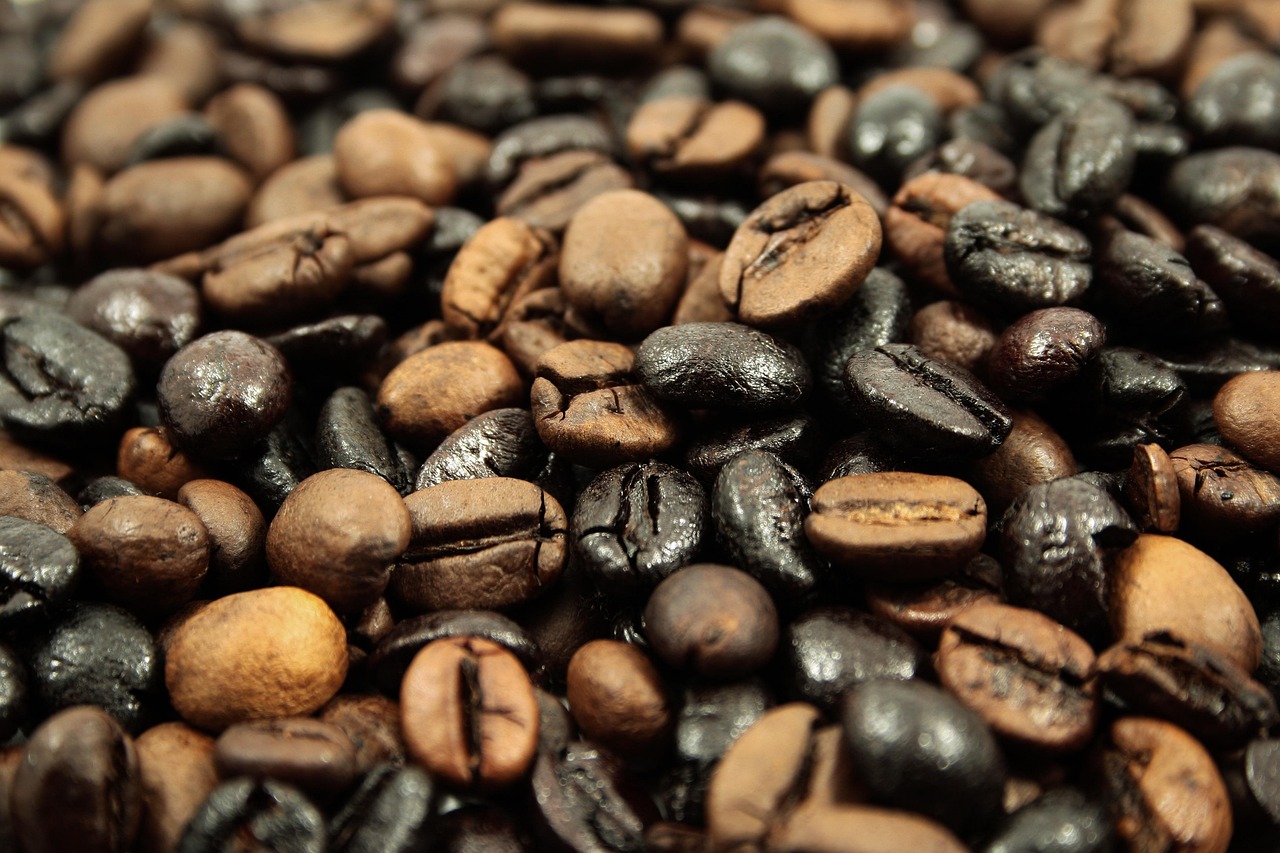
Green (unroasted) coffee doesn’t taste like much. Roasting is where the flavors you actually recognize, chocolate, caramel, fruit, nuttiness, get created through heat.
Light, Medium, and Dark Roasts
Roast levels are generally defined by internal bean temperature and how far past “first crack” (an audible popping sound) the beans go:
- Light roast: around 350–400°F, pulled at or shortly after first crack. Preserves the most origin character and acidity.
- Medium roast: around 410–430°F, between first and second crack. A balance of origin flavor and roasted sweetness.
- Dark roast: around 440–450°F and beyond, into or past second crack. Bolder, smokier, lower in acidity.
How Roasting Affects Flavor (and Caffeine)
The longer and hotter the roast, the more the bean’s original character gets replaced by roast character, think caramelized sugars and toasted, smoky notes. One common myth worth clearing up: dark roast doesn’t mean more caffeine. If anything, light roasts hold onto slightly more caffeine, though the real-world difference is small enough that it shouldn’t drive your roast choice either way.
Grinding: Why Grind Size Matters
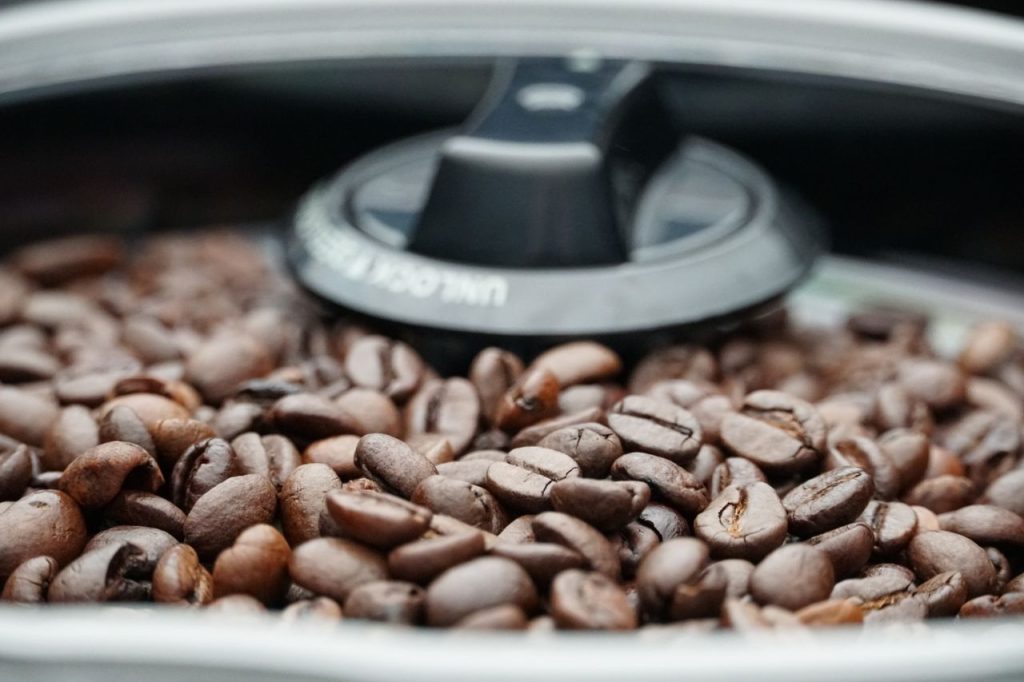
Once beans are roasted, they need to be ground before brewing, and the grind size has to match the brew method. Too fine a grind for the wrong method over-extracts and tastes bitter; too coarse under-extracts and tastes weak and sour.
- Coarse grind: French press, cold brew
- Medium grind: drip coffee makers, pour-over
- Fine grind: espresso
- Extra-fine grind: Turkish coffee
If you’ve ever had a “off” cup even though you liked the beans, grind size mismatched to your brewer is one of the most common culprits.
Brewing: Turning Grounds Into a Cup
Common Brewing Methods
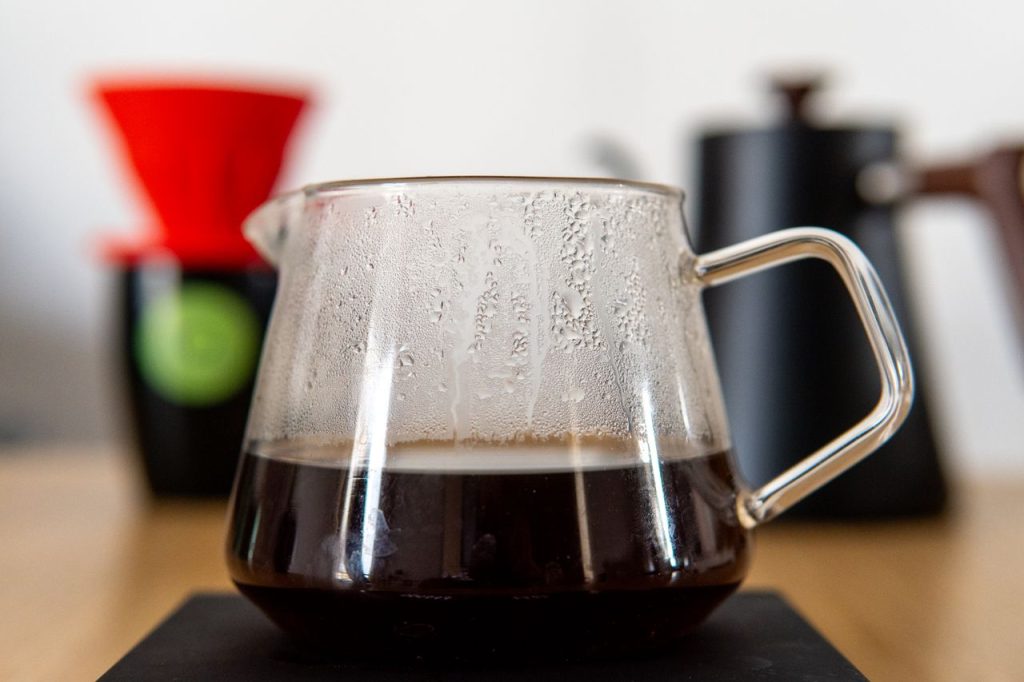
There’s no one “right” way to brew coffee, just different methods that highlight different things:
- Drip coffee maker: convenient, consistent, great for everyday brewing
- Pour-over: more hands-on, tends to produce a cleaner, brighter cup
- French press: full-bodied and rich, since the metal filter lets more oils through
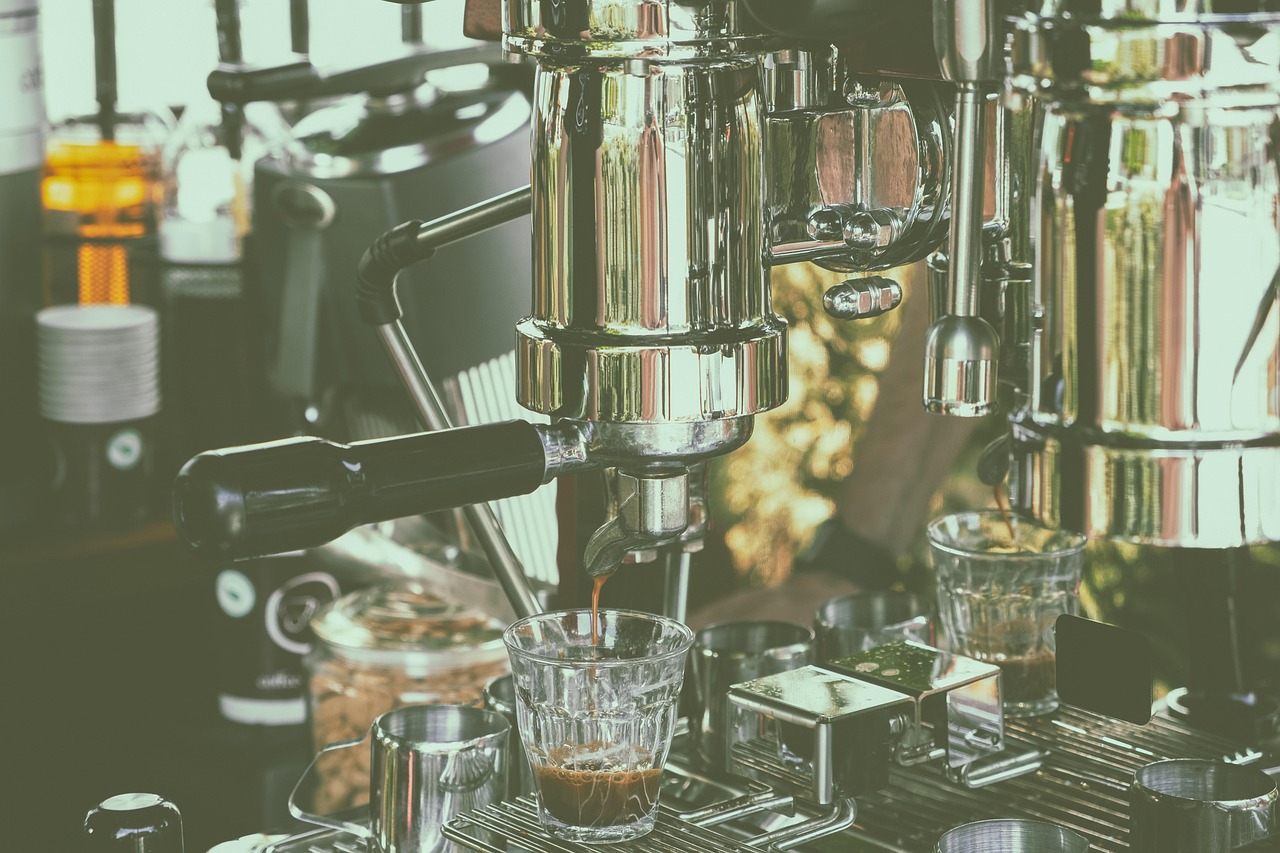
- Espresso: concentrated, pressurized brewing, the base for lattes and cappuccinos
- AeroPress: fast, portable, and flexible for both bright and bold results
- Cold brew: steeped in cold water for 12–24 hours, producing a smooth, low-acid concentrate
What “Extraction” Actually Means
Every brewing method is really doing the same basic thing: pulling flavor compounds out of ground coffee using water. That process is called extraction. Under-extracted coffee tastes sour and thin. Over-extracted coffee tastes bitter and harsh. The sweet spot in between is what separates a good cup from a great one, and it’s driven by grind size, water temperature, brew time, and coffee-to-water ratio working together.
What’s Actually in Your Cup?
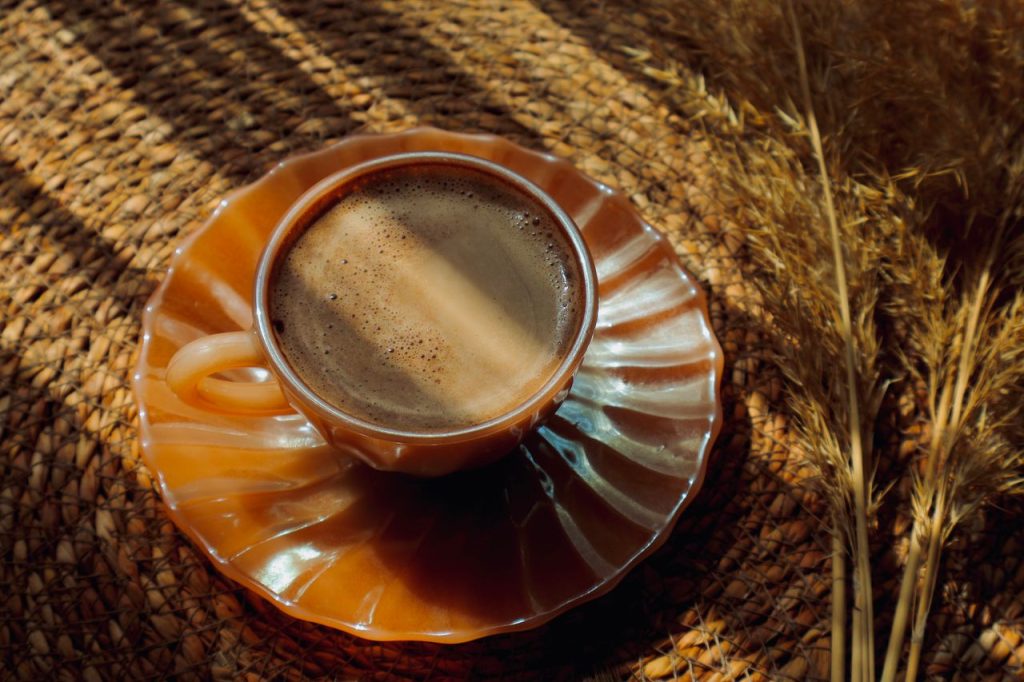
Brewed coffee is mostly water, but it carries hundreds of dissolved compounds pulled from the grounds during extraction, including oils, acids, and the ingredient most people care about: caffeine.
A standard 8-ounce cup of brewed coffee contains roughly 80–100 mg of caffeine on average, though that number swings depending on the bean, roast, and brew method. Espresso has more caffeine per ounce, but because a shot is so small, a full cup of drip coffee often delivers more caffeine overall than a single shot does.
A Quick Look at Coffee’s History
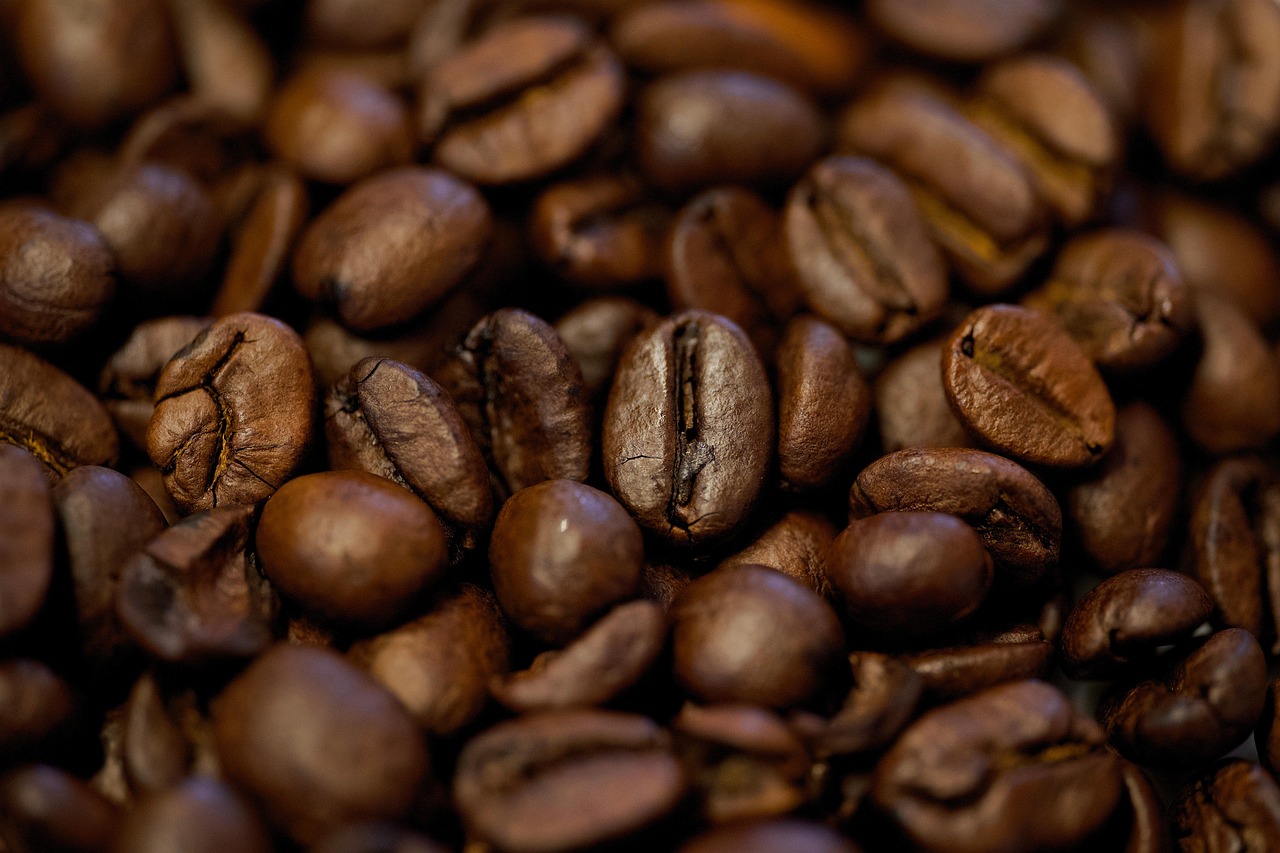
Coffee’s story is generally traced back to Ethiopia, where wild Coffea plants originated. The earliest solid evidence of people actually brewing and drinking coffee comes from Sufi shrines in 15th-century Yemen. From there, it spread through the Middle East, reaching Egypt, Syria, and Turkey by the 16th century, before making its way into Europe and eventually the rest of the world over the centuries that followed.
Today, coffee is one of the most valuable agricultural commodities traded worldwide, grown as a primary export crop for dozens of countries.
Why This Journey Matters for the Coffee You Drink
Knowing all of this isn’t just trivia. It actually changes how you shop for and brew coffee:
- Knowing your roast level tells you roughly what flavor profile to expect before you even open the bag
- Knowing your processing method (washed vs. natural vs. honey) helps you predict whether a coffee will taste clean and bright or fruity and heavy
- Knowing your grind size requirements keeps you from wasting good beans on the wrong brew method
The more of this chain you understand, the easier it gets to find coffee you’ll actually love, instead of guessing.
Frequently Asked Questions
-
Is coffee a bean, a seed, or a fruit?
A coffee “bean” is actually the seed of a fruit called a coffee cherry. It’s not a true bean at all, it’s just called that out of habit.
-
What’s the real difference between Arabica and Robusta?
Arabica is grown at higher altitudes, matures more slowly, and generally tastes smoother and more complex. Robusta is hardier, higher in caffeine, and has a stronger, more bitter flavor.
-
How long does it take to grow coffee?
A coffee plant typically takes three to four years after planting before it produces its first harvestable crop, and cherries themselves take several months to ripen fully on the branch.
-
Does roast level change how much caffeine is in my coffee?
Only slightly. Light roasts hold onto a bit more caffeine than dark roasts, but the difference is small enough that it shouldn’t be your main reason for choosing a roast.
-
What does “processing” mean in coffee?
It’s how the fruit is removed from the seed after harvest, most commonly through washed, natural, or honey processing. Each method shapes the final flavor differently.
The Bottom Line
Coffee isn’t just something that appears in a bag. It’s a fruit crop that travels through flowering, harvesting, processing, roasting, grinding, and brewing before it ever reaches your cup. Every step along the way leaves a fingerprint on the flavor.
Next time you make a cup, you’ll know exactly what you’re holding, and why it tastes the way it does.
