
You’re standing in the coffee aisle (or scrolling through an online shop), staring at two bags of the exact same beans. One says “whole bean.” The other says “ground.” Same roaster, same origin, sometimes even the same price. So why does it matter which one you grab?
It matters more than most people realize, but not so much that you need to stress over it. In this guide, we’ll break down what actually changes between whole bean and ground coffee, how much of a difference it really makes in your cup, and how to figure out which one fits your morning best.
Quick answer: whole bean coffee wins on freshness and flavor because it stays protected until you grind it right before brewing. Ground coffee wins on convenience because it’s ready to go the second you open the bag. Neither one is “wrong.” It just depends on what you’re optimizing for.
- What Is Whole Bean Coffee?
- What Is Ground Coffee?
- Whole Bean vs. Ground Coffee at a Glance
- Freshness and Flavor: Why Grinding Changes Everything
- Convenience: Which One Fits Your Morning?
- Cost: Is Whole Bean Coffee More Expensive?
- Which Brewing Method Works Best With Each?
- How to Store Whole Bean and Ground Coffee for Maximum Freshness
- Do You Need a Grinder? What to Look For
- So, Which Should You Buy?
- Frequently Asked Questions
- The Bottom Line
What Is Whole Bean Coffee?
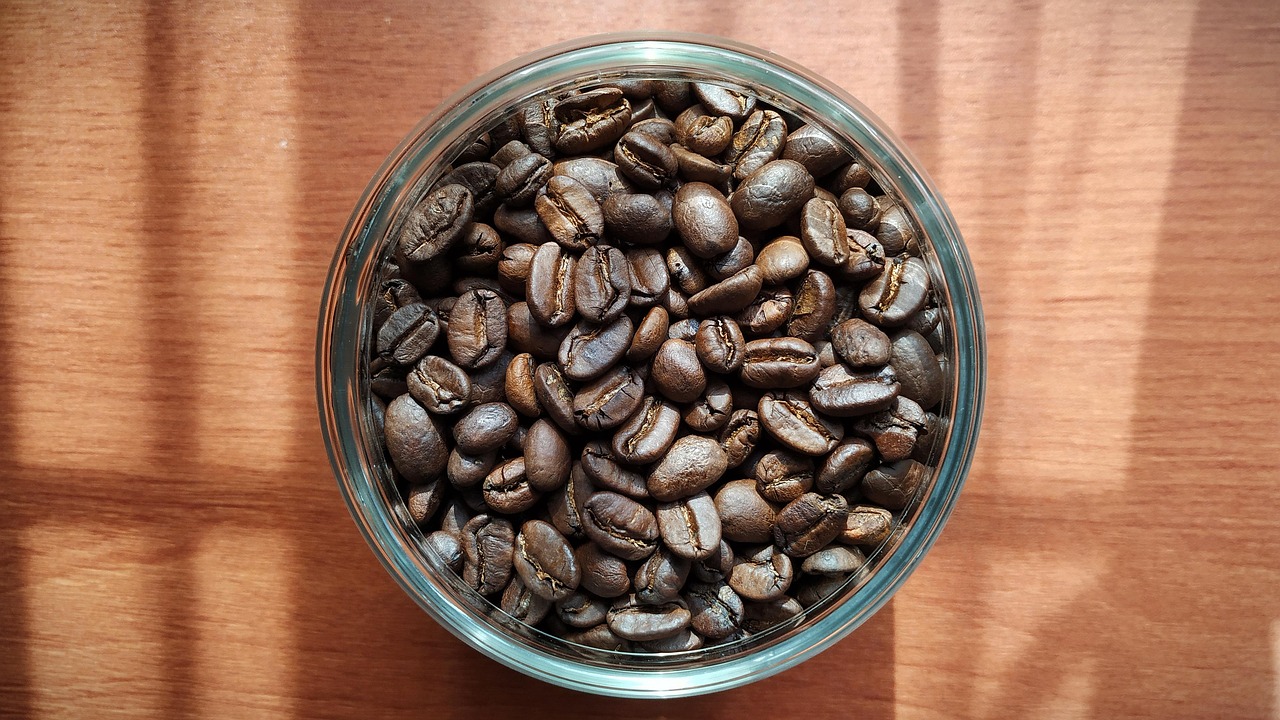
Whole bean coffee is exactly what it sounds like: roasted coffee beans that haven’t been ground yet. You buy the bag, and the beans stay intact until you grind them yourself, usually right before brewing.
This is the format most specialty roasters and coffee shops recommend, mainly because it gives you control over grind size and locks in freshness for longer. The tradeoff is you’ll need a grinder at home.
What Is Ground Coffee?
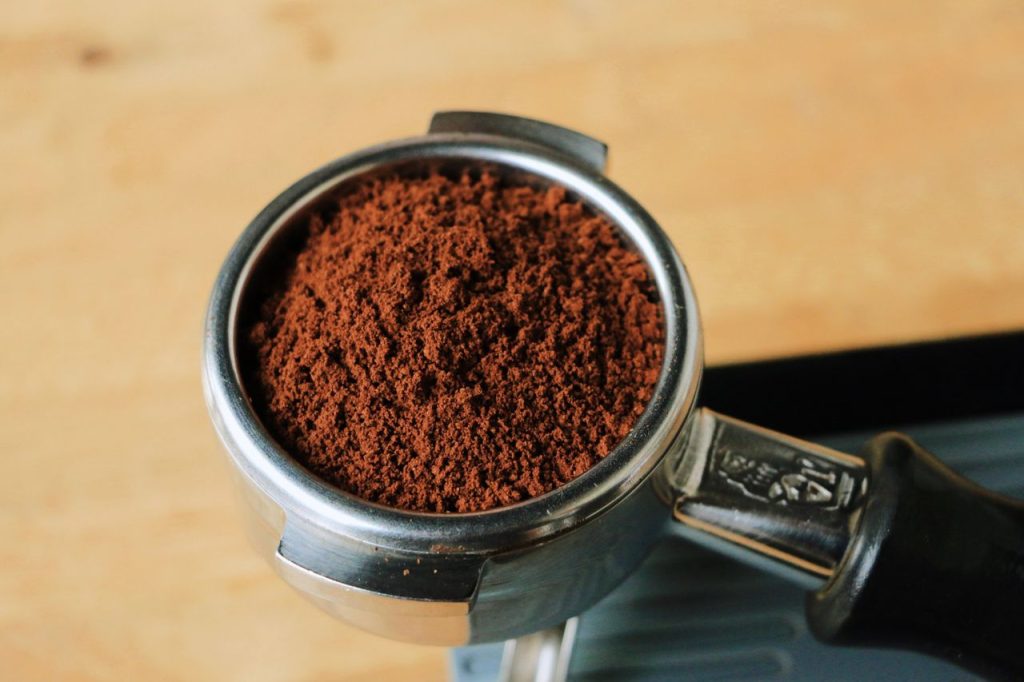
Ground coffee is coffee that’s already been ground down to a specific size before it gets packaged and sold. You open the bag, scoop it into your brewer, and you’re good to go. No grinder, no extra step, no cleanup.
It’s the more convenient option, and for a lot of people, that convenience is exactly what they need on a busy weekday morning.
Whole Bean vs. Ground Coffee at a Glance
Here’s how the two stack up on the things that actually matter day to day:
| Factor | Whole Bean | Ground Coffee |
|---|---|---|
| Freshness | Stays at peak flavor longer | Fades noticeably faster |
| Flavor & aroma | Fuller, more complex | Flattens out over time |
| Convenience | Requires a grinder | Ready to brew immediately |
| Equipment needed | Grinder (burr recommended) | None |
| Grind control | Full control per brew method | Fixed, one-size-fits-all |
| Best for | Home baristas, pour-over, French press | Busy mornings, drip machines, no grinder |
Freshness and Flavor: Why Grinding Changes Everything
Here’s the part that actually explains the whole debate: coffee doesn’t “go bad” the way milk does, it goes stale. And staling is mostly a story about oxygen.
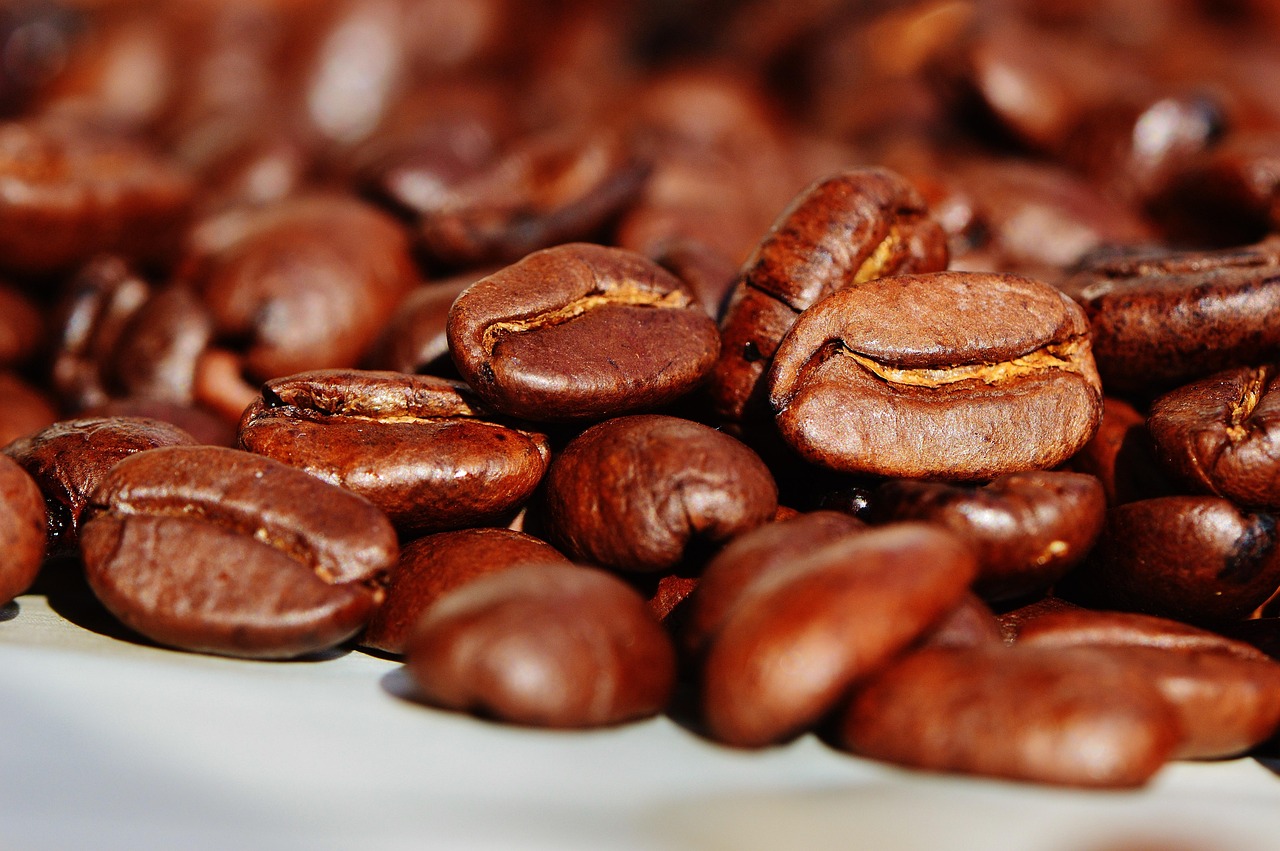
When beans are whole, only their outer surface is exposed to air. The oils, aromatic compounds, and CO2 trapped inside from roasting stay protected. Once you grind those same beans, you’re shattering that protective structure and multiplying the surface area exposed to oxygen many times over. That’s why grinding your beans right before brewing preserves so much more flavor than buying pre-ground.
In practical terms, that means:
- Whole beans generally hold their best flavor for about 3 to 4 weeks after the roast date, and stay drinkable well beyond that.
- Ground coffee starts losing its peak aroma and flavor within 1 to 2 weeks, even when it’s sealed well.
Different roasters will give you slightly different numbers here, but the pattern holds everywhere you look: more surface area means faster oxidation, whether you’re talking about beans or grounds. If you’ve ever noticed a bag of ground coffee smell “flat” compared to a bag of fresh beans, that’s oxidation in action.
What this means for your cup: if flavor and aroma matter most to you, whole bean is the safer bet. If you’re brewing a bag within a week or two of buying it anyway, the freshness gap matters a lot less.
Convenience: Which One Fits Your Morning?
Let’s be honest about this one instead of pretending convenience doesn’t count. It absolutely does, especially at 6:45 a.m.
Ground coffee makes sense if you:
- Don’t own a grinder and don’t want to buy one
- Are brewing on a tight schedule most mornings
- Just want a reliable, no-fuss cup without extra steps
Whole bean makes sense if you:
- Already have (or want) a grinder
- Care about getting the most flavor out of your beans
- Like having control over grind size for different brew methods
Neither choice makes you a “better” coffee drinker. It’s really about matching the format to your actual routine, not the routine you wish you had.
Cost: Is Whole Bean Coffee More Expensive?
This one’s genuinely mixed, and depends a lot on where you’re shopping. At big-box grocery stores, pre-ground coffee is often the cheaper option, especially in bulk cans or large bags. Whole bean tends to carry a slightly higher price tag there.
At specialty roasters, though, it’s common to see the exact same price for whole bean and ground versions of the same coffee. The roaster isn’t charging extra for the beans staying intact. So the “whole bean costs more” rule of thumb holds up better at the grocery store than it does with a specialty roaster.
The one added cost with whole bean is the grinder itself. A decent burr grinder runs anywhere from $30 for an entry-level model up to $150+ for something built to last. It’s a one-time cost, though, not a recurring one, so it tends to pay for itself if you’re a regular coffee drinker.
Which Brewing Method Works Best With Each?
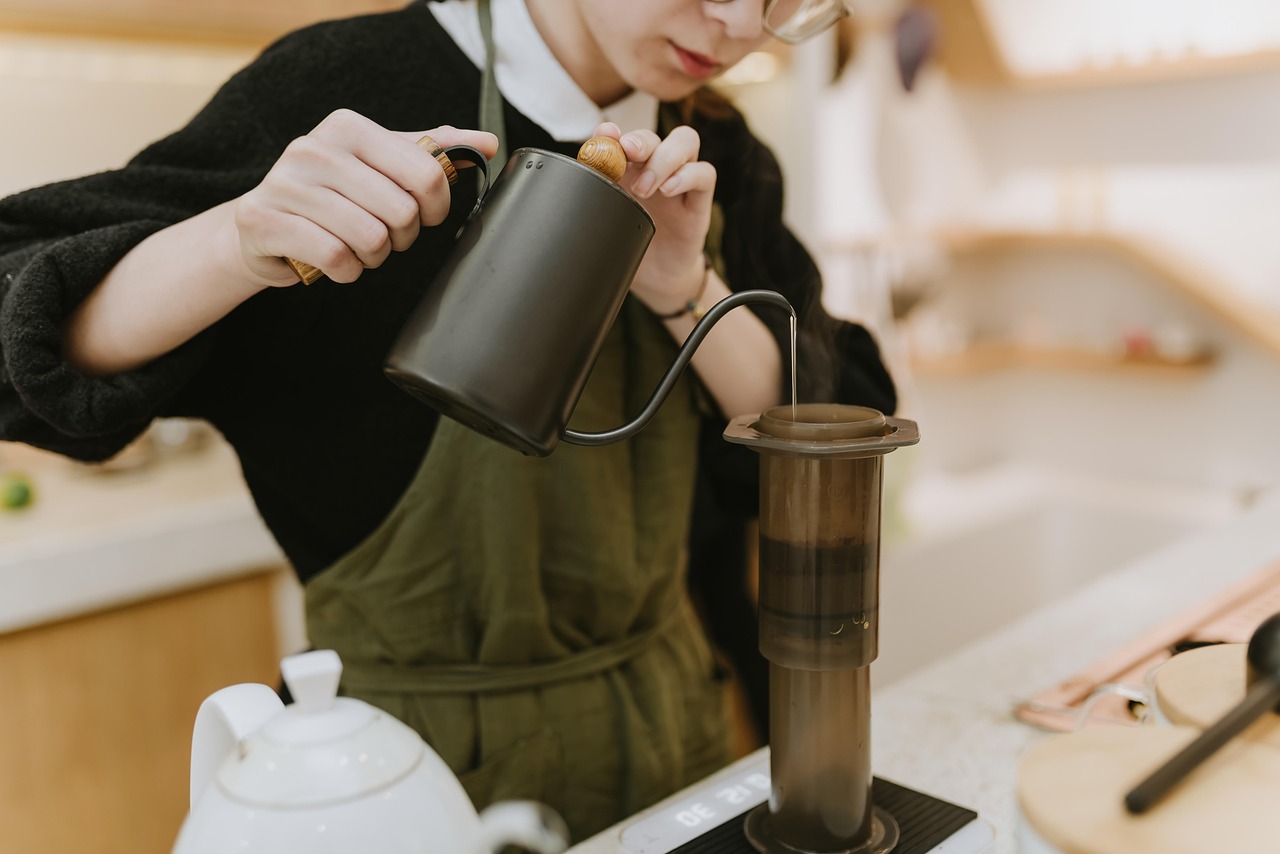
Your brew method actually plays a bigger role in this decision than most people expect.
Pour-Over and French Press
These methods reward precision. Pour-over wants a medium grind, French press wants a coarse grind, and getting it wrong can leave you with a weak, watery cup or an over-extracted, bitter one. Whole bean plus a grinder you can dial in makes a real difference here.
Drip Machines
Drip coffee makers are more forgiving. A pre-ground “drip grind” works fine in most machines, which is part of why ground coffee is so popular for everyday drip brewing. If you do use whole bean for drip, a medium grind is your target.
Espresso
Espresso is the least forgiving of all. It needs a fine, consistent grind, and pre-ground coffee almost never nails the right size or freshness for a good shot. If espresso is your thing, whole bean and a quality grinder aren’t optional, they’re the whole game.
How to Store Whole Bean and Ground Coffee for Maximum Freshness
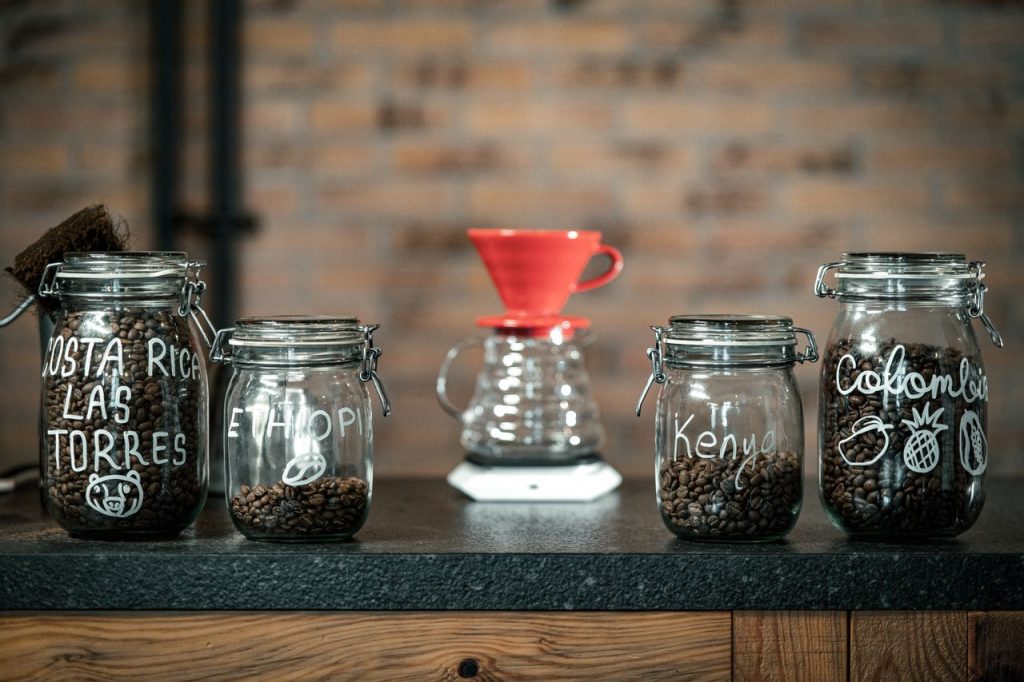
Good storage won’t stop staling completely, but it will slow it down a lot. The rules are basically the same for both whole bean and ground coffee:
- Keep it airtight. An opaque, sealed container beats a clipped-shut bag.
- Keep it away from light. Light degrades coffee oils over time.
- Keep it cool and dry. Skip the spot near the stove or the window.
- Skip the fridge. Coffee absorbs moisture and odors easily, and the fridge has plenty of both.
- Buy smaller amounts more often, rather than one giant bag that sits open for months.
Freezing is a bit more debated. It can slow staling if the coffee is portioned out and sealed tightly, but repeated freezing and thawing introduces condensation, which does more harm than good. For most home setups, a good airtight canister in the pantry is simpler and works just as well.
Do You Need a Grinder? What to Look For
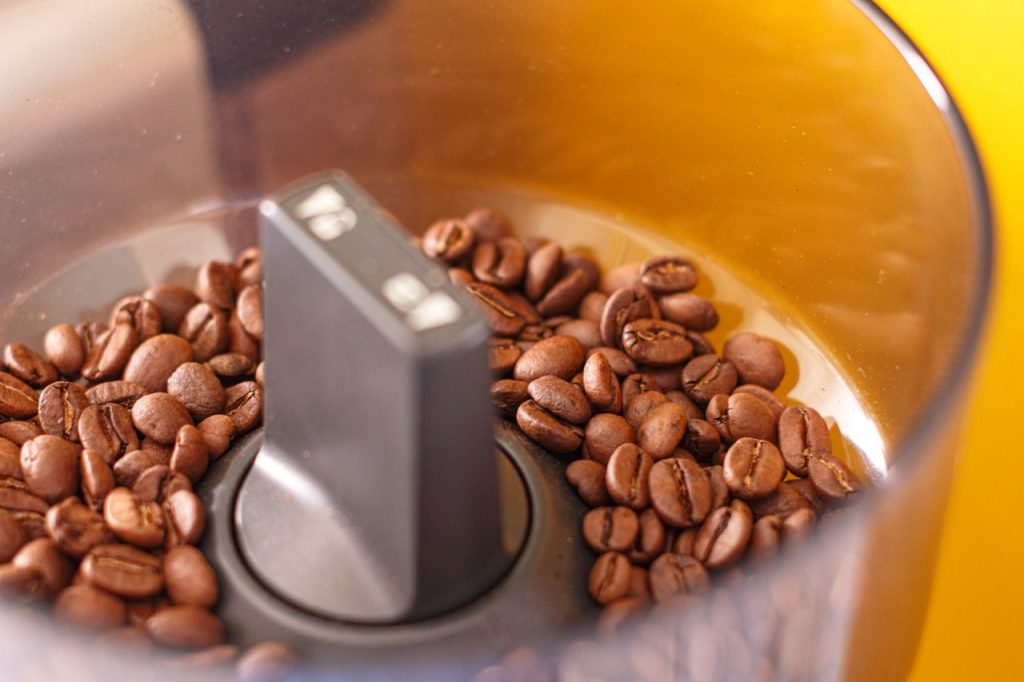
If you’re leaning toward whole bean, you’ll need a grinder, and not all grinders are created equal.
- Burr grinders crush beans between two surfaces to produce a consistent particle size. Coffee pros generally agree burr grinders are the better choice because even grounds extract more evenly, which means a more balanced-tasting cup.
- Blade grinders chop beans with a spinning blade, more like a mini blender. They’re cheaper and simpler, but they produce an uneven mix of fine dust and larger chunks, which can make your coffee taste inconsistent from sip to sip.
If you’re serious about the flavor upgrade whole bean can offer, a burr grinder is worth the investment. If you’re just dipping a toe in, a blade grinder still beats pre-ground coffee for freshness, even if the grind itself isn’t perfectly even.
So, Which Should You Buy?
Here’s a simple way to think about it:
- Busy weekday mornings, no grinder, just want reliable coffee: ground coffee is the practical choice, and there’s nothing wrong with that.
- You already brew with a pour-over, French press, or espresso machine: whole bean will noticeably improve your cup.
- You’re coffee-curious and want to taste the difference for yourself: buy a bag of whole bean from your favorite roaster, grind it fresh, and compare it side by side with your usual ground coffee. Most people notice the difference immediately.
You don’t have to pick one forever, either. Plenty of people keep ground coffee on hand for rushed mornings and whole bean for slower weekend brews.
Frequently Asked Questions
-
Does whole bean coffee taste better than ground coffee?
Generally, yes, mainly because grinding fresh right before brewing preserves more of the aromatic oils and compounds that create flavor. The freshest ground coffee you can get is the coffee you grind yourself.
-
How long does ground coffee stay fresh once opened?
Most ground coffee is at its best within 1 to 2 weeks of opening, even when stored properly in an airtight container.
-
Can you use whole bean coffee without a grinder?
Not really. Whole beans need to be ground before brewing, since intact beans won’t extract properly in water. If you don’t have a grinder, some roasters and coffee shops will grind bags for you at the point of purchase.
-
Is whole bean coffee worth the extra effort?
If flavor and aroma matter to you, most coffee lovers would say yes. If you’re mostly after a quick, reliable cup and don’t mind a slightly flatter flavor, ground coffee gets the job done without the extra step.
The Bottom Line
Whole bean and ground coffee aren’t really competing for the same job. Whole bean rewards you with fresher, fuller flavor in exchange for a few extra minutes and a grinder. Ground coffee trades a bit of peak freshness for speed and simplicity.
Whichever one you land on, the real upgrade is buying smaller amounts more often and storing it well. That single habit does more for your cup than almost anything else on this list.
